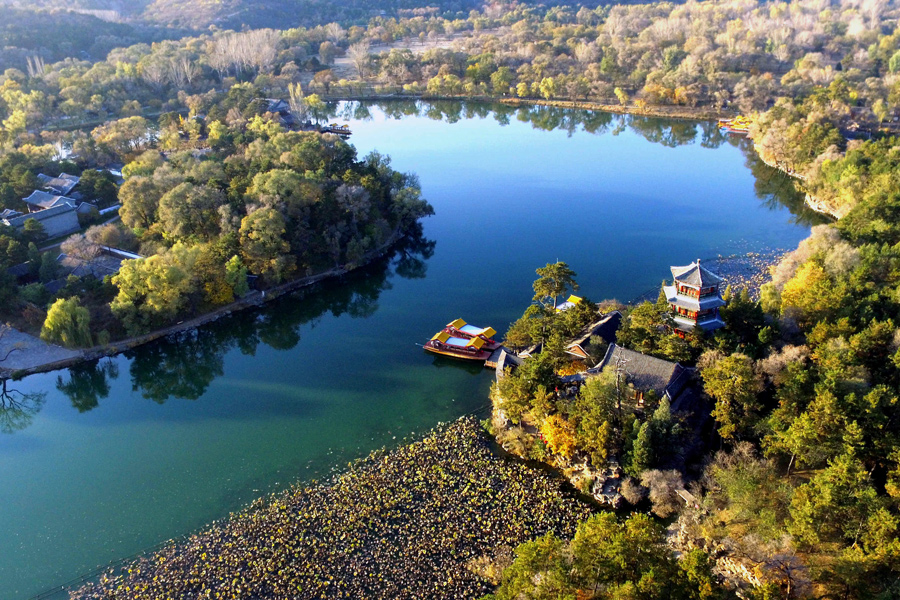
Mountain Resort and its outlying temples, Chengde
Introduction
The Mountain Resort and its Outlying Temples located in Chengde, Hebei province, China, is a monumental cultural site embodying a rich blend of architectural styles and cultural elements. Constructed over the span from 1703 to 1792, during the Qing Dynasty (1644–1912), this vast complex of palaces and administrative and ceremonial buildings showcases the intricate convergence of Confucianism, Buddhism, and Taoism. Spanning an impressive 5.64 million square meters, the site integrates a landscape of lakes, pastureland, and forests with an array of temples of diverse architectural styles, forming a harmonious and aesthetically compelling environment. Recognized for its outstanding value, the Mountain Resort was inscribed as a UNESCO World Heritage Site in December, 1994.
Historical Background
The Mountain Resort served as a summer residence for the Qing emperors, who were drawn to its favorable climate and strategic location just 250 kilometers from Beijing. Emperors such as Kangxi and Qianlong utilized the resort as a base to handle state affairs, receive foreign envoys, and entertain leaders of ethnic groups. Important historical events, including the Mulan Autumn Hunting expeditions, were orchestrated from this site, reinforcing relationships with ethnic groups and fortifying national unity. The structures within the resort, including the Detachment and Loyalty Hall, Wenjin Tower, and the Puning Temple, were meticulously crafted to reflect the architectural grandeur of the era.
Architectural Significance
The Mountain Resort is a masterpiece of Chinese palace architecture, gardening art, and religious architecture. Its design follows the natural topography of hills and water, exemplifying the traditional Chinese practice of harmonizing manmade environments with nature. The resort is an exceptional example of Chinese natural landscape gardens and palaces, carrying forward the imperial gardening tradition. The integration of elements from Han, Mongolian, and Tibetan architectural art and culture within the outlying temples crystallizes the achievements of cultural exchange and integration among different ethnic groups. This architectural synthesis not only embodies the creative genius of its time but also had a lasting influence on landscape design worldwide.
Cultural and Religious Importance
The Mountain Resort and its Outlying Temples hold significant cultural and religious importance, reflecting the diverse spiritual landscape of China. The resort's architectural and decorative elements are infused with Confucian, Buddhist, and Taoist symbolism, representing the philosophical and religious diversity embraced by the Qing Dynasty. The outlying temples, such as the Puning Temple and Putuo Zongcheng Temple, were constructed to foster relations with ethnic minorities and promote religious harmony. These temples served as centers for cultural exchange, allowing for the diffusion and integration of different religious traditions. The presence of diverse religious architecture within the resort underscores the Qing rulers' vision of a unified multi-ethnic state, where cultural and religious diversity was celebrated and respected.
Key Structures
Palace Area
The palace area is the heart of the Mountain Resort, serving as the central administrative and ceremonial hub during the Qing Dynasty. It was meticulously designed to reflect the grandeur and authority of the imperial court, embodying the architectural principles and aesthetic preferences of the era. The palace complex is characterized by its harmonious integration with the surrounding natural landscape, blending seamlessly with the lakes, hills, and forests that define the resort. The use of nanmu wood in the construction of the Detachment and Loyalty Hall demonstrates the Qing emperors' commitment to utilizing the finest materials in the creation of their summer retreat. The Main Palace stands as a testament to the architectural ingenuity and cultural sophistication of the Qing Dynasty.
Puning Temple
The Puning Temple, one of the resort's outlying temples, is renowned for its stunning blend of Han and Tibetan architectural styles. It was constructed to symbolize the harmonious relationship between ethnic groups and to promote the integration of different cultural and religious traditions. The temple is home to a magnificent statue of the Thousand-Armed Guanyin, a testament to the profound influence of Tibetan Buddhism in the region. Puning Temple's architectural splendor and spiritual significance make it a key component of the Mountain Resort's cultural and religious landscape.
Putuo Zongcheng Temple
The Putuo Zongcheng Temple, often referred to as the "Little Potala Palace," is an architectural marvel inspired by the Potala Palace in Lhasa, Tibet. This temple was constructed to commemorate the harmony between the Qing emperors and Tibetan Buddhist leaders, serving as a symbol of political and religious unity. The temple's grandiose design and intricate detailing exemplify the Qing Dynasty's commitment to fostering cultural exchange and religious integration. As a prominent feature of the Mountain Resort, the Putuo Zongcheng Temple underscores the resort's role as a center for cultural diplomacy and spiritual convergence.
Legends and Stories
The Mountain Resort is steeped in legends and stories that enrich its historical and cultural narrative. One such tale recounts how Emperor Kangxi discovered the site of the resort while pursuing a mysterious white rabbit during a hunting expedition. According to the legend, the emperor's encounter with the rabbit led him to a hot spring and a breathtaking landscape, inspiring him to establish a summer palace in this idyllic setting. This story reflects the mystical allure of the Mountain Resort and its enduring legacy as a place of imperial grandeur and natural beauty.
Tourism and Preservation
As a UNESCO World Heritage Site, the Mountain Resort and its Outlying Temples attract visitors from around the world, drawn to its rich cultural heritage and stunning natural landscape. The site is meticulously preserved and managed to maintain its historical integrity and authenticity. Conservation efforts are guided by comprehensive management plans and legal frameworks that ensure the protection of the resort's architectural and cultural assets. The government, at both national and provincial levels, has prioritized the site's preservation, allocating resources for its maintenance and protection. As a result, the Mountain Resort continues to serve as a vibrant cultural and historical landmark, offering visitors an immersive experience of China's imperial past and its rich tapestry of ethnic and religious diversity.








